
How we work
Scope. A lead. The right crew. Accountability.
Attraction projects rarely fail on craft. They fail on coordination — unclear scope, unclear ownership, material that arrives after the crew. Our process exists to close those gaps before they cost you a window.
The process
Five steps, every project
The size of the scope changes. The sequence does not.
Define the scope
Work starts on paper. We read the drawings, the site conditions, and the dates, then write down what is ours, what is not, and what still needs an answer.
Designate a lead
Every scope gets one person who owns it in the field. Your team knows who to talk to, and that person is accountable for the daily plan.
Build the plan
Crew mix, shop work, purchasing, and delivery windows are sequenced against the same set of dates so material and people arrive together.
Execute and communicate
The crew works the plan and reports what happened. When conditions change, you hear it from the lead while there is still time to act on it.
Close out cleanly
Punch items are tracked to closure, the area is cleaned and returned, and the work is documented so the next team can pick it up.
01
Define the scope
- Drawings, specifications, and procedures reviewed before a crew is assigned
- Interfaces with other trades and vendors identified in writing
- Open questions resolved rather than absorbed as field risk
02
Designate a lead
- A named lead for the duration of the scope
- One channel for direction, questions, and change
- Daily progress reported against the agreed plan
03
Build the plan
- Crew composition matched to the actual work, not a generic headcount
- Shop fabrication and finishing scheduled ahead of field need
- Purchasing, receiving, and staging planned back from the install date
04
Execute and communicate
- Site rules, access requirements, and orientation completed first
- Issues escalated early, in writing where it matters
- Adjacent finished work protected while the work is in progress
05
Close out cleanly
- Punch list walked and resolved with your team
- Housekeeping and area turnover before demobilization
- Documentation handed over as required by the scope
Safety and quality
Safety and quality are built into the work.
Not a slogan and not a separate department — a set of habits that happen before, during, and after the shift.
Planning before the shift
The task, the access, and the hazards are talked through before tools come out, not after something goes wrong.
Appropriate PPE
Crews arrive with the protective equipment the task and the site require, and use it.
Site rules first
We work to the host site's safety program, orientation requirements, and permitting process.
Housekeeping as we go
Clean work areas are part of the job, especially in spaces that guests or other trades share.
Inspection and checks
Work is checked against the approved drawings and specifications as it progresses, not only at the end.
Escalation and documentation
When something does not match the plan, it is raised and recorded as the scope requires.
Certifications, safety statistics, and program names are intentionally not published on this site until they are verified in writing.
Live environments
Built for active and deadline-driven environments.
Most of this work happens next to something that has to keep operating, or inside a window that closes whether or not the work is finished.
Access planning
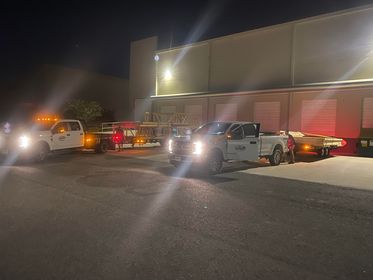
Routes, lifts, laydown space, and timing are planned with the site so a delivery does not become an obstruction.
Shutdown windows
Night, off-hours, and outage work is planned backward from the hour the area has to be available again.
Interfaces
Handoffs with vendors, controls, and other trades are identified early, because that is where schedules usually slip.
Protection
Finished surfaces, scenic elements, and equipment nearby are protected before work starts around them.
Cleanup
Areas are cleaned and restored as phases complete so the next activity is not waiting on us.
Clear communication
You get a straight read on progress and on risk. We do not promise that live work is invisible; we plan so it is manageable.
Partner model
A partner model that expands with the scope.
SMART works comfortably as one contributor among many, or as the organization holding several pieces together.
Local hands, receiving, storage, and field support for teams without an Orlando footprint.
Specialty scope inside a larger construction schedule, coordinated through your superintendents.
Maintenance, modification, and project support that works to your procedures and documentation.
Trades and material sources coordinated so their timing serves the install date rather than their own.
Direct work with owner's representatives, project managers, and technical staff on scope and sequence.
Facility to field
One chain, from the loading dock to the punch list.
The reason coordination gaps stay small is that most of the chain sits inside one organization.
01
Receiving
Material and components arrive at the Orlando facility and are checked in and documented.
02
Staging
Items are stored and organized against the sequence they will be needed in.
03
Fabrication
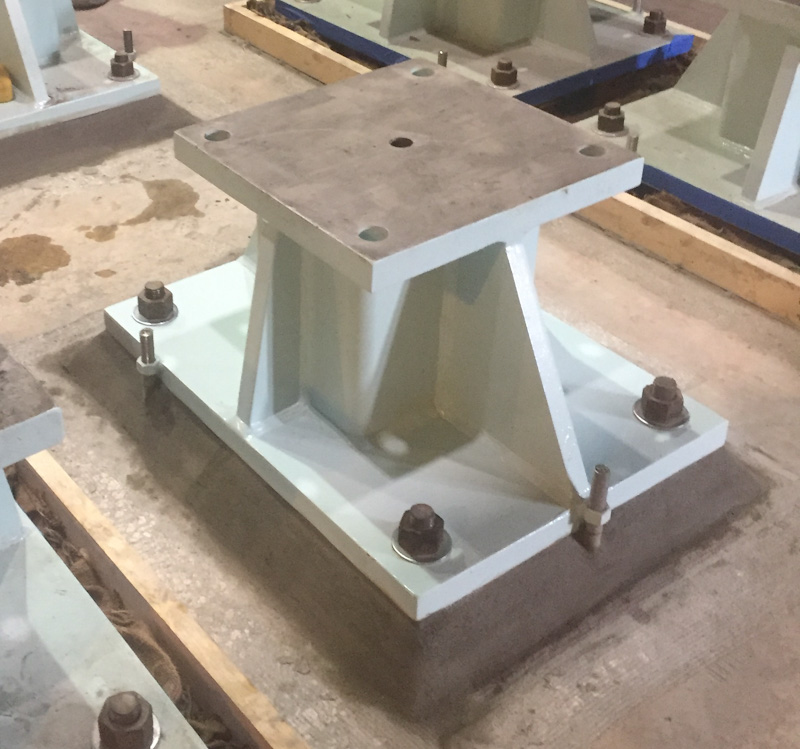
Metal, wood, and finish work is built to the approved drawings in the shop.
04
Packing
Crates, blocking, and dunnage are built around what they carry.
05
Delivery
Company vehicles move the work into the site inside the agreed window.
06
Installation
Field crews set, fit, and finish the work with a designated lead on site.
07
Punch list
Items are walked, tracked, and resolved with your team.
08
Closeout
The area is cleaned, turned over, and documented before demobilization.
Engagement
Engagement built around the project.
Two straightforward ways to work with us. Which one fits usually depends on how defined the scope is when you call.
Defined scope
The work is drawn, specified, and dated. We take the scope, build the plan, and deliver it with a designated lead and a documented handback.
Typically fits
- Fabrication and installation packages
- Modification or access projects
- Scenic and finish scope with approved samples
Managed crew support
The scope is still moving, or your own team needs capacity. We provide crews with field leadership that works to your direction and procedures.
Typically fits
- Rehab and outage windows
- Installation support alongside a vendor team
- Extended project support across phases
Commercial terms are discussed per project. No pricing model names are published here.
Next step
Bring us the scope and the window.
We will tell you what it takes, who leads it, and how it gets closed out.